Master your ascent with our training plans
Welcome to our dedicated training plans. These plans are designed to boost your strength and stability, focusing on key muscle groups vital for rock climbing. Even a short 10–15-minute daily session can be incredibly effective. Feel free to mix and match exercises to create your own personalized routine.

Training for every climber
Our training plans are primarily crafted for beginners eager to develop the foundational strength needed for rock climbing. This guide provides a clear path for progression and can also help more advanced climbers refine specific muscle groups and enhance their overall performance. Whether you are just starting or looking to fine-tune your abilities, these plans offer valuable insights and exercises.
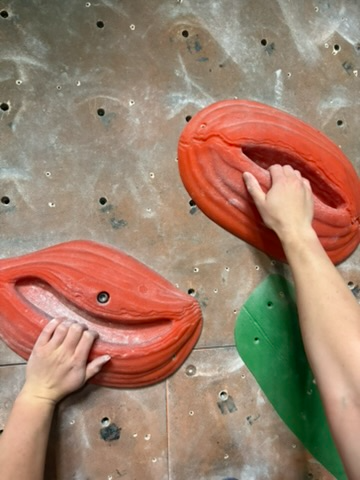
Beyond the gym: climbing's true classroom
While structured training is an excellent way to improve your strength, grip, and overall muscles, remember this crucial truth: the best way to truly improve your climbing is to get out on the rock wall and try things out. Our plans build a strong foundation, but real-world practice and experience are irreplaceable for becoming a better climber.
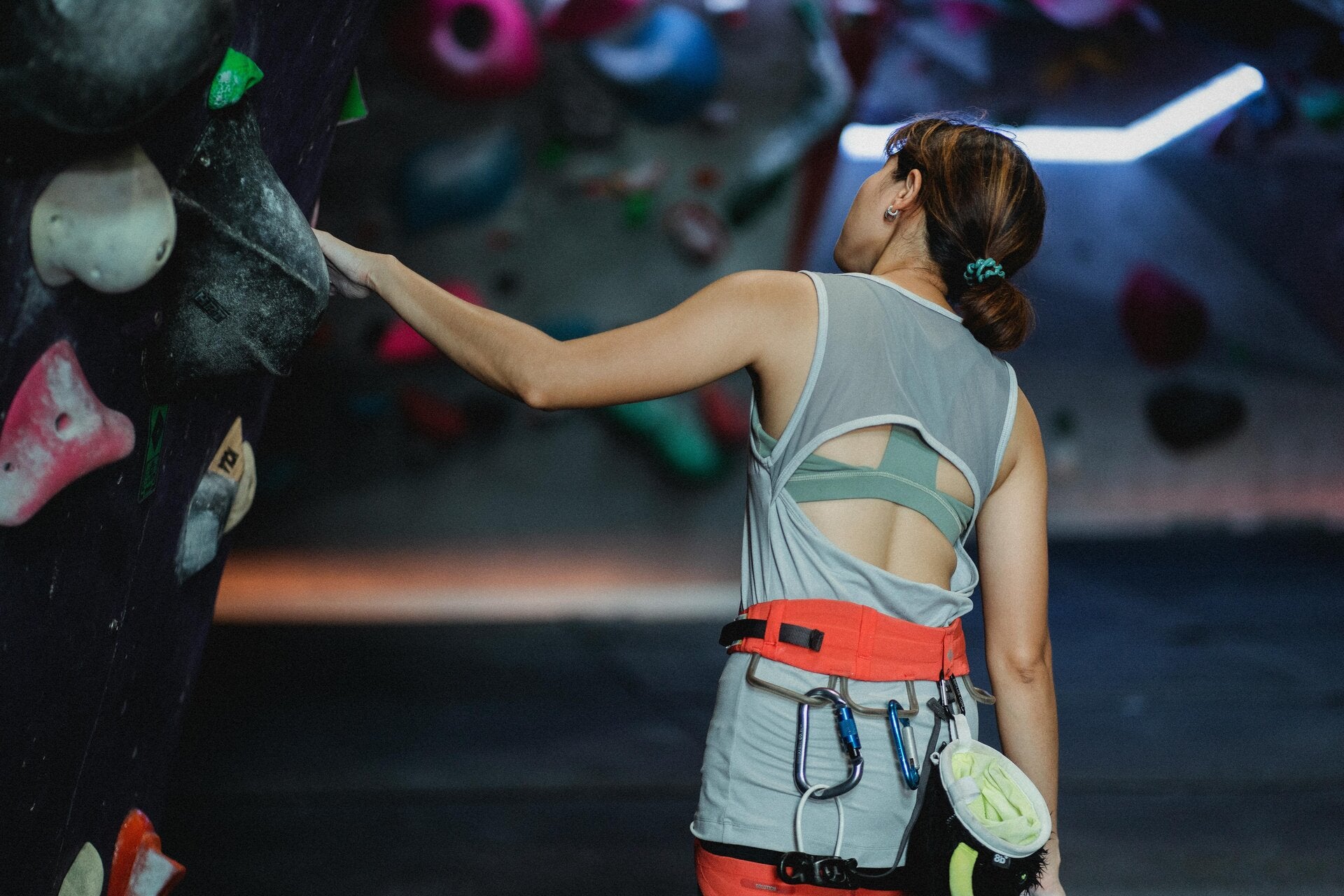
Deep dive into muscle mastery
For a detailed explanation of how each exercise benefits different muscle groups, we highly recommend this excellent reference from Red Bull. It provides valuable insights that complement our training plans, helping you understand the 'why' behind each exercise and what they target.
Training Plans
- The best way to improve your rock-climbing skills is by consistently practicing on the rock face itself. However, you can significantly enhance your performance and prevent injuries by incorporating specific exercises into your routine.
- Balance is a fundamental aspect of rock climbing that often gets overlooked. Integrating yoga and balance training into your regimen can dramatically improve your stability and body awareness. Yoga helps you find your center of gravity, allowing for more efficient movements and reducing the energy expended on the wall. Learning how to balance will help you stay on the rock for longer and translates directly to more controlled and graceful ascents.
- Practicing even 10 minutes a day will help you prepare for your climbs, whether you are on the mat about to try a new route or outside on a rock face. A common mistake many climbers make is giving up too early. While these practices aid in preparation, the most effective way to learn how to use them is by actively applying them while climbing. Don't be afraid to try, fail, and try again; persistence is your most valuable tool.
Training plan for Grip and forearm strength:
- 5 sets of 8-10 finger hangs/pull ups.
- 3 sets of 20-25 pushups (do pushups on your knees if this is a little too difficult)
- 5 sets of weighted wrist curls 8-10 reps.
Training for Upper body and Core strength:
- 3 sets of 8-12 reps lat pulldowns.
- 5 sets of 8-10 reps of weighted shoulder shrugs.
- 5 sets of hollow body holds, aim for 30 seconds each time and gradually add up time as you get stronger
- 5 sets of 30 seconds of bicycle crunches.
Training for Endurance:
- 5 sets of 8 -12 box jumps
- Bicycling for 20 mins or longer
- Running long distance, typically keeping a steady pace for over 20 minutes.
Below is a key card of definition of each workout:
- Finger hangs/pulls: Start by placing yourself sturdy that is taller than you, like a hollow chair, a countertop, or even a pullup bar. You will place only your fingers on the surface and try to pull yourself up without moving your lower body or using any other part of your hand. This will help strengthen your fingers and help get them used to gripping difficult surfaces.
- Pushups: Pushups are where you place your hands directly under your shoulders and your knees up without touching the ground. Your feet will be flexed with your heels reaching towards the back of the room. Then you will lower yourself down slowly by hinging your elbows tucked by your ribcage. And then press up and repeat. This helps stregthen your upper back muscles, forearms, and overall upper body.
- Weighted Wrist curls: To do wrist curls, start by kneeling at a bench or chair that is about hip width tall. Place your palms facing up hanging over the very end of the bench so only your hands are not touching the bench. Then curl your wrists away from you and then curl back up. You can make this excursive more intense by adding dumbbells. This helps improve wrist strength to be able to grip better.
- Lat pulldowns: Lat pulldowns are done by using a machine in the gym. If you are unsure where to locate a lat pulldown machine, ask the gym's front desk. Sit at the lat pull-down machine, grip the bar with your arms wider than shoulder-width apart, and pull the bar down to your chest while keeping your back straight. Add weight as needed, as long as your reps are done efficiently and smoothly. This will help target your lat muscles and will help you be able to pull yourself up the wall more easily.
- Weighted shoulder shrugs: Start by standing up with your feet hip distance apart. Take two weights that feel comfortable and shrug your shoulders up towards your ears and slowly back down again. If your neck starts to hurt during this exercise, you may need to do reps with lighter weights. This move strengthens trap muscles, which support shoulder and neck stability and endurance during climbs.
- Hollow body holds: Start by laying down on a mat or just on the floor. You will raise your legs are torso up together without rocking. Then place your palms up and extend your arms so they are parallel to your hips. Then hold for as long as possible without breaking form. This will target your core muscles to make it easier to pull yourself up, keep your balance, and easier to hold on for longer during climbs
- Bicycle Crunches: Start by laying down on a mat or the floor again. Put your hands behind your head and raise one knee towards your nose. as you do so, meet your knee halfway with the opposite elbow. You can also do Bicycle crunches by starting in a pushup position and cross your leg across your body to meet the opposite elbow. This exercise is also great for targeting abs.
- Box Jumps: Start by standing in front of a box, most gyms have foam ones. Swing your arms back and forth and squat. By using all of your leg strength, jump up to the box, and then quickly jump back down and repeat. The goal is to try to not make any noise as you are jumping or pretend to be as light as a feather to use more of your core and leg muscles. This helps practice balance, agility, leg strength, and endurance.
- Running and Bicycling long distance: By doing cardio for long periods of time helps you practice agility and endurance for long climbs.
These are just a few examples of some great workouts. Have fun and don't forget to stay hydrated!
Create Your Own Website With Webador